Humanising the Medical Practice Through Colour
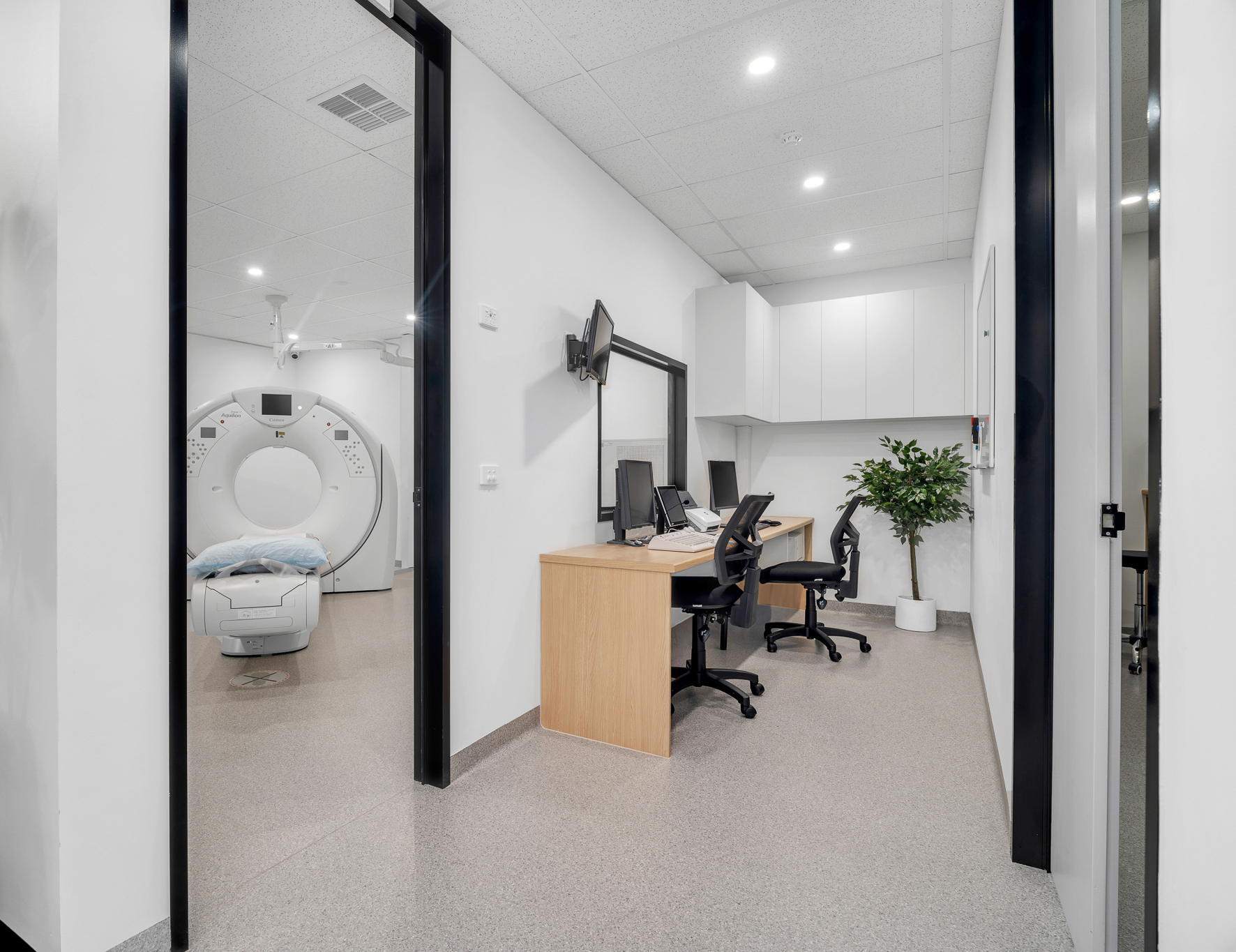
For decades, healthcare environments were defined by stark white walls, bright fluorescent lighting, and clinical finishes. While these elements historically signalled cleanliness and sterility, they often left patients feeling anxious, intimidated, or disconnected from the care experience.
The Shift Towards Warmer Interiors
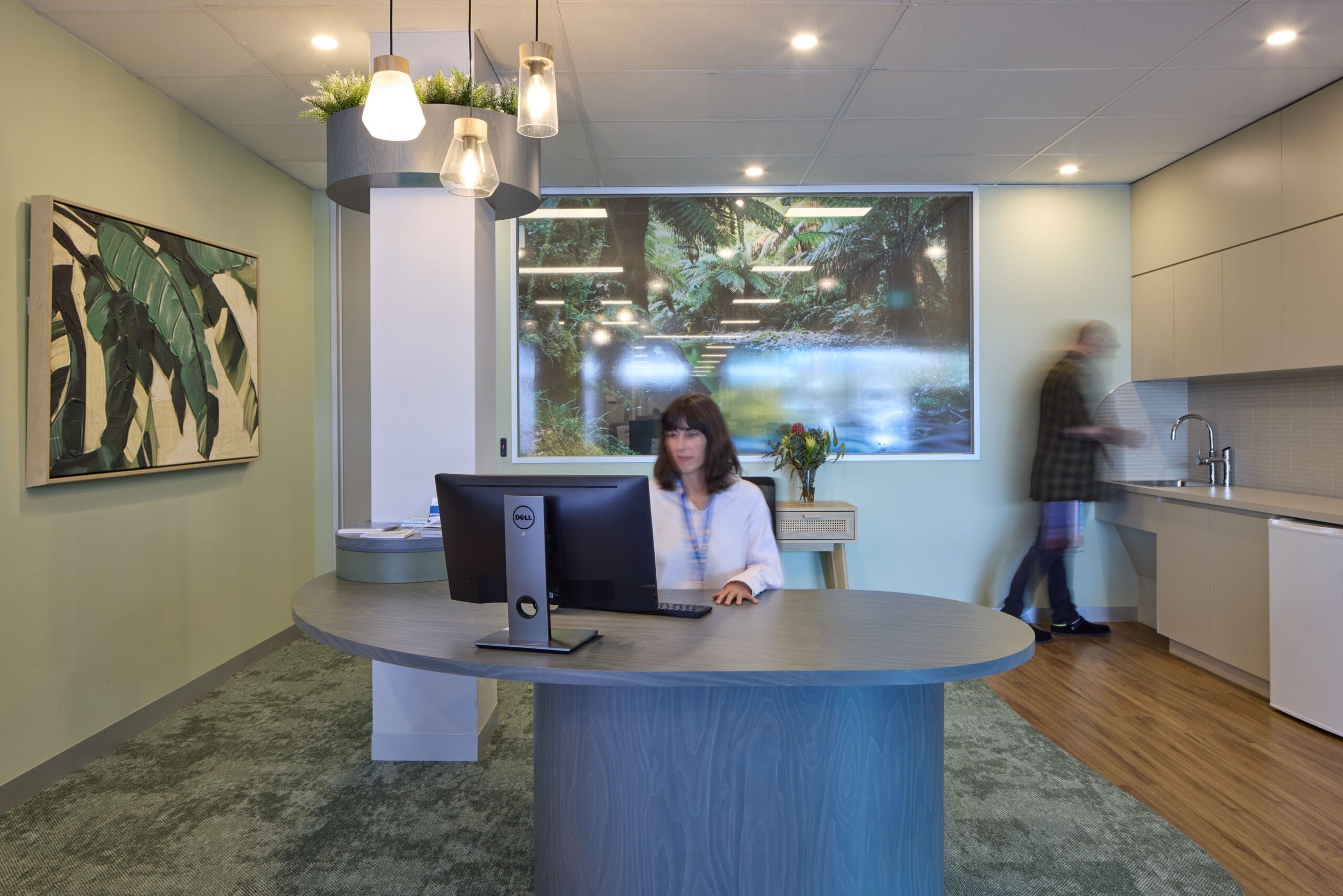
In recent years, clinics have embraced warmer, more relaxed interiors. Colour has emerged as one of the most effective tools in this shift. The use of soft neutrals, muted blues and greens and gentle accent tones that create subtle warmth helps reduce stress. This layered approach not only produces a visually soothing environment but also supports an intuitive wayfinding system, helping patients feel oriented and welcomed.
Across healthcare globally, there has been a broader movement toward human-centred design. Hospitals, clinics, dental practices and even hospices are increasingly prioritising spaces that address emotional wellbeing alongside physical care. Studies show that design utilising these principles in such spaces can reduce patient anxiety, improve satisfaction, and even support staff performance, highlighting the importance of design choices that extend beyond aesthetics.

Colour, Materials, and Lighting in Harmony
Colour works hand-in-hand with materials and lighting to humanise healthcare environments. Warm timbers, textured surfaces and natural stone introduce tactility and depth, making spaces feel layered and approachable. Carefully chosen palettes highlight these textures, while layered lighting from skylights to indirect illumination enhances natural colour tones and creates a sense of warmth and comfort.
These design choices function on multiple levels:
- Emotional impact: Softer colours and natural materials reduce perceived sterility and create a sense of calm.
- Spatial guidance: Colour and material transitions can subtly indicate circulation paths and differentiate functional zones without signage.
- Sensory engagement: Lighting and textures influence perception, making the space feel more human-centred and less clinical.
Practical examples of these principles include a waiting area with soft green walls and warm timber panelling, accented by textured neutral furnishings, or corridors where subtle flooring changes signal transitions between spaces. These choices are small but effective in guiding patients, reducing stress, and creating a welcoming atmosphere.

Wellbeing Through Design
Beyond aesthetics, human-centred design has measurable effects on both patient and staff wellbeing. Colour, materials and lighting all influence perception, mood and comfort. Calming blues and greens are associated with reduced anxiety and increased trust, while warm neutrals and soft accent tones foster reassurance.
Thoughtful use principles support emotional and psychological comfort throughout the clinic. For patients, these elements reduce stress, improve orientation and create a sense of calm. For staff, environments that feel approachable and well-planned reduce fatigue, improve focus and enhance the ability to provide empathetic, patient-centred care.
When combined, these strategies demonstrate that design is not only about visual appeal, but it also actively shapes the experience and well-being of everyone in the space. Reinforcing the human-centred ethos of modern healthcare.

Adapting Design for Different Populations
While these principles of human-centred design are broadly effective, they should be adapted to suit the specific needs of the patient group. In paediatric clinics, for example, brighter, more saturated colours and playful elements can reduce fear and engage children, while textures and visual cues can act as wayfinding. In contrast, environments for older adults or residents of an aged care facility may benefit from softer, high-contrast colours to support visibility, calmness and orientation, alongside tactile materials that are easy to maintain and safe.
By considering age, cognitive ability and sensory needs, we can ensure that spaces remain welcoming, comfortable and supportive for every patient, while still aligning with the overall human-centred approach.


Creating Truly Human-Centred Spaces
By integrating colour, materials, lighting and spatial planning, clinics can transform from sterile, clinical environments into spaces that feel supportive, approachable and genuinely human. Thoughtful design influences perception, guides behaviour and shapes emotional experience, creating environments where both patients and staff feel valued and comfortable.
Ultimately, prioritising these strategies elevates the patient journey from stressful to calming, demonstrating that healthcare is not only about physical treatment but also about emotional experience. Humanising medical spaces through design is an investment in care, comfort and connection, the very heart of effective healthcare.